615-355-5822
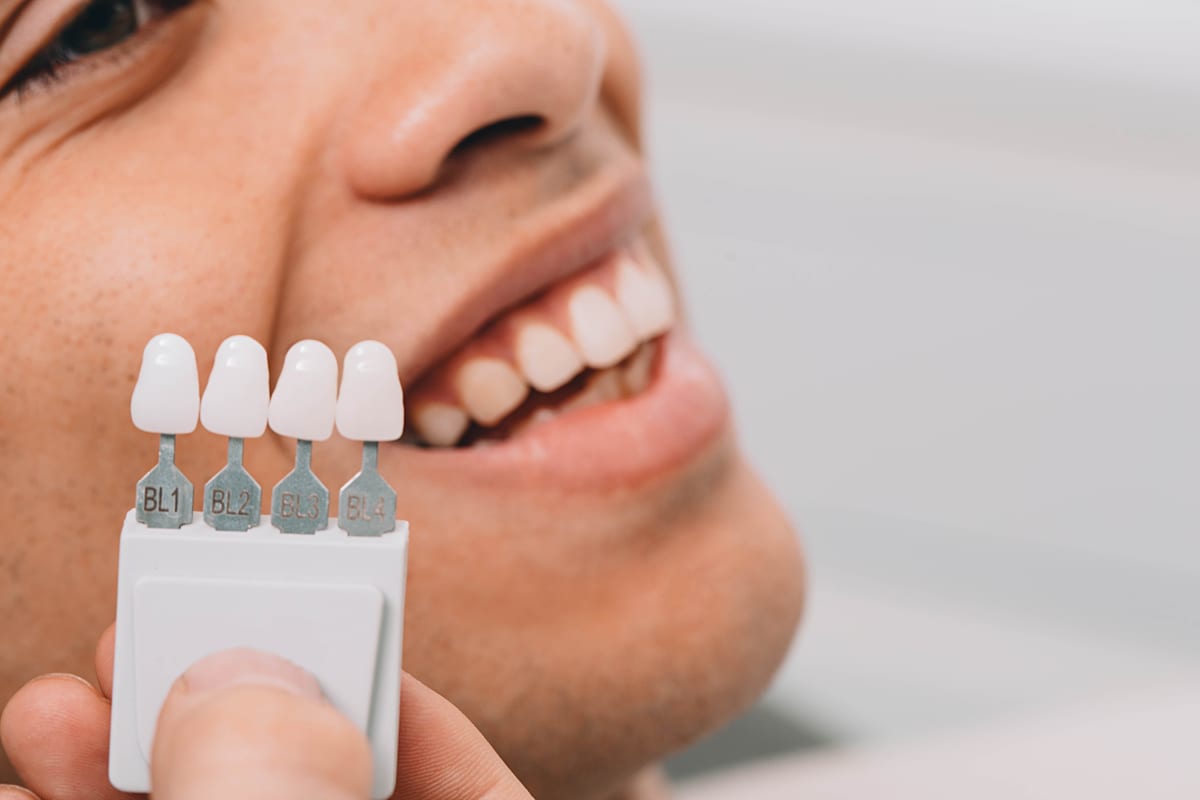
If you’ve been searching for answers about veneers vs bonding and which smile fix actually lasts longer in Smyrna, you’re not alone. Many patients at Smith Dental face this exact decision. Both treatments improve the look of your teeth. But they work differently, cost differently, and last very different lengths of time. Understanding those differences helps you make a confident, informed choice.
Dr. Robert L. Smith and the Smith Dental team in Smyrna, TN, see patients at every stage of this decision. Some want a quick fix. Others want a long-term investment. This guide walks you through both options clearly and honestly — so you can choose what fits your smile and your life.
What Are Veneers and How Do They Work?
Veneers are thin porcelain or composite shells bonded to the front of your teeth. They cover chips, cracks, discoloration, or uneven shapes. Porcelain veneers are the most popular and most durable option. They require a small amount of enamel removal to fit properly.
The veneer process typically takes two appointments. At the first visit, your dentist prepares the teeth and takes impressions. At the second visit, the custom veneers are placed and bonded securely. The result is a natural-looking, long-lasting improvement that blends seamlessly with surrounding teeth.
Veneers are a form of Cosmetic Dentistry that can transform multiple teeth at once. They resist staining better than natural enamel. Porcelain veneers typically last 10 to 15 years with proper care.
What Is Dental Bonding and How Does It Compare?
Dental bonding uses a tooth-colored composite resin applied directly to the tooth. The dentist shapes and hardens it with a special light. It can fix chips, small gaps, and discoloration quickly. Unlike veneers, bonding usually requires little to no enamel removal.
Bonding is faster and more affordable than veneers. Most bonding treatments are completed in a single appointment. It is an excellent choice for minor cosmetic concerns. However, bonding is more prone to chipping and staining over time.
On average, dental bonding lasts 3 to 7 years before needing repair or replacement. That is significantly shorter than porcelain veneers. The lifespan depends heavily on where the bonding is placed and how well you maintain it.
Veneers vs Bonding: A Direct Comparison for Smyrna Patients
When comparing veneers vs bonding for Smyrna patients, four factors matter most: cost, longevity, invasiveness, and final results. Here is a clear breakdown of each:
- Cost: Bonding is more affordable upfront. Veneers cost more initially but often prove more economical long-term due to their longer lifespan.
- Longevity: Veneers last 10–15 years. Bonding lasts 3–7 years and may need touch-ups sooner.
- Invasiveness: Bonding requires no enamel removal. Veneers require minor enamel shaping, making them a permanent change.
- Aesthetics: Veneers offer superior color consistency and stain resistance. Bonding can discolor over time, especially with coffee or wine.
- Repair: Bonding is easy to repair if it chips. Veneer repairs are more complex and may require full replacement.
Neither option is universally better. Your specific concerns and goals should guide the decision. A consultation with Dr. Smith helps you weigh these factors against your unique situation.
Which Option Is Right for You?
The right choice depends on several personal factors. Think about how extensive the damage or discoloration is. Consider how long you want the results to last. Also think about how many teeth need improvement.
Bonding may be the better choice if you:
- Have a single chipped or slightly discolored tooth
- Want a faster, more budget-friendly solution
- Are younger and may want flexibility for future changes
- Have a minor cosmetic concern that doesn’t affect bite function
Veneers may be the better choice if you:
- Want a long-term, low-maintenance solution
- Have multiple teeth with discoloration, gaps, or unevenness
- Prioritize a bright, consistent smile that resists staining
- Are ready to commit to a permanent cosmetic improvement
Some patients also ask about sedation options during cosmetic procedures. If dental anxiety affects your decision, ask our team about Sedation Dentistry to make any treatment more comfortable.
How Dr. Robert L. Smith Approaches Smile Consultations in Smyrna
At Smith Dental in Smyrna, every cosmetic consultation starts with a thorough evaluation. Dr. Smith examines your teeth, discusses your goals, and reviews your dental history. He never recommends a treatment just because it costs more. He recommends what will serve your smile best long-term.
Dr. Smith takes time to explain every step in plain language. He shows you what results to realistically expect. He also discusses how each option fits into your overall oral health plan. Patients leave consultations feeling informed and confident — not pressured.
The Smith Dental team understands that Smyrna patients have busy lives. They design treatment plans that respect your time, your comfort, and your goals. Whether you choose bonding or veneers, you will receive attentive, skilled care from start to finish.
Caring for Veneers and Bonding After Treatment
Aftercare plays a major role in how long either treatment lasts. Bonding and veneers both benefit from good daily habits. A few simple practices can significantly extend the life of your investment.
To protect veneers or bonding, follow these tips:
- Brush twice daily with a non-abrasive fluoride toothpaste
- Floss once daily to prevent decay around treated teeth
- Avoid biting hard objects like ice, pens, or fingernails
- Limit foods and drinks that stain, such as coffee, tea, and red wine
- Wear a night guard if you grind your teeth while sleeping
Regular dental cleanings at Smith Dental also help maintain your results. Dr. Smith and his team monitor your treated teeth at every visit. Catching small issues early prevents costly repairs later.
Making Your Decision: A Final Summary
Choosing between veneers and bonding is a personal decision. Both options improve your smile effectively when applied correctly. The key is matching the treatment to your specific concern, budget, and long-term expectations. There is no one-size-fits-all answer.
For patients in Smyrna weighing veneers vs bonding, the most important step is scheduling a consultation. A real exam — not just online research — gives you the clearest picture. Dr. Robert L. Smith at Smith Dental is ready to help you find the right path forward. Book Now to schedule your appointment with our team.
Frequently Asked Questions
How long do veneers last compared to bonding?
Porcelain veneers typically last 10 to 15 years with proper care. Dental bonding generally lasts 3 to 7 years before it may need repair or replacement. Veneers offer a longer-lasting solution, though bonding is easier to touch up when needed.
Is dental bonding reversible?
Yes, dental bonding is considered a reversible treatment in most cases. It requires little to no enamel removal, so your natural tooth structure stays intact. Veneers, by contrast, require minor enamel shaping and are considered a permanent change.
Does getting veneers hurt?
Most patients experience minimal discomfort during the veneer process. Local anesthesia is used to keep you comfortable during enamel preparation. If anxiety is a concern, ask Dr. Smith about sedation options to make your visit more relaxed.
Can I whiten veneers or bonding if they discolor?
Neither porcelain veneers nor composite bonding respond to traditional teeth whitening treatments. Whitening products only work on natural tooth enamel. If staining occurs, the veneer or bonding material may need to be replaced or polished by your dentist.
Which option is more affordable in the long run?
Bonding costs less upfront, but it needs to be replaced more frequently. Veneers have a higher initial investment but last significantly longer. Over 10 to 15 years, veneers may actually be the more cost-effective choice depending on how many teeth are treated.