615-355-5822

Most patients in Smyrna ask about the cost of a dental bridge — but very few ask how long it will actually last. That question matters just as much. Understanding how long dental bridges last, and what your dentist won’t always volunteer upfront, can save you money, discomfort, and future dental work. At Smith Dental, Dr. Robert L. Smith believes informed patients make better long-term decisions. So let’s break it all down — honestly and clearly.
How Long Do Dental Bridges Last? The Honest Answer for Smyrna Patients
A dental bridge can last anywhere from 5 to 15 years. Some last even longer with excellent care. The wide range surprises many patients, but it reflects real-world variables that differ from person to person.
Traditional porcelain-fused-to-metal bridges tend to fall in the middle of that range. All-ceramic bridges can be more aesthetically pleasing but may be more prone to chipping. Metal bridges are highly durable but rarely used in visible areas.
The short answer is this: your habits and biology matter more than the material alone. A bridge placed on a patient who grinds their teeth may fail in five years. The same bridge in a diligent patient may last twenty. That’s the truth most dentists don’t lead with during a consultation.
What Shortens a Dental Bridge Lifespan — And What Smyrna Residents Can Do About It
Several factors actively shorten how long your bridge will last. Knowing them puts you in control.
- Teeth grinding (bruxism): Grinding puts enormous stress on the bridge and the supporting abutment teeth. A custom night guard can protect both.
- Poor oral hygiene: Bacteria accumulate under and around bridges. Decay in the abutment teeth is the leading cause of early bridge failure.
- Hard or sticky foods: Chewing ice, hard candies, or sticky caramel can crack or dislodge a bridge over time.
- Skipping dental cleanings: Professional cleanings remove buildup that a toothbrush misses. Skipping them accelerates gum disease around support teeth.
- Gum disease: Untreated gum disease weakens the bone and tissue that hold abutment teeth in place. A bridge is only as stable as the teeth supporting it.
Many of these factors are entirely preventable. The decisions you make every day at home have a direct impact on how long your bridge holds up.
Daily Maintenance That Actually Extends Bridge Longevity
Cleaning around a dental bridge requires a slightly different routine than cleaning natural teeth. The area underneath the bridge — called the pontic — cannot be flossed from above. Food and bacteria can collect there without you realizing it.
Here is what a proper bridge maintenance routine looks like:
- Use a floss threader or water flosser: Thread floss under the bridge daily. A water flosser is an excellent alternative and easier for most patients.
- Brush twice daily with a soft-bristled toothbrush: Pay special attention to the gumline around the abutment teeth.
- Use an antibacterial mouthwash: This helps reduce bacterial load in hard-to-reach areas beneath the pontic.
- Attend cleanings every six months: Your hygienist has tools to clean beneath and around the bridge that you simply cannot replicate at home.
- Wear a night guard if recommended: This protects both your bridge and natural teeth from grinding forces overnight.
Consistent maintenance is the single most powerful thing you can do to extend your bridge’s lifespan. Dr. Smith recommends discussing your specific cleaning tools at your next appointment so you get a routine that works for your anatomy.
Signs Your Bridge May Be Failing — Don’t Ignore These in Smyrna
Even with great care, bridges do wear down over time. Catching problems early can prevent more costly repairs or replacements.
Watch for these warning signs:
- Sensitivity or pain in the teeth beneath the bridge
- A loose or rocking sensation when biting
- Visible cracks or chips in the bridge material
- Swelling or bleeding around the gumline near the bridge
- A bad taste or odor that persists after brushing
Any of these signs mean it is time to schedule an evaluation. Waiting rarely improves the outcome — and often makes repairs more complex.
At Smith Dental, we use digital X-rays and visual exams to assess the health of the abutment teeth and surrounding bone. Early intervention almost always leads to better results and lower long-term cost.
Dental Bridges vs. Implants — Which Lasts Longer?
This is a question Dr. Smith gets often from Smyrna patients. It deserves a direct answer.
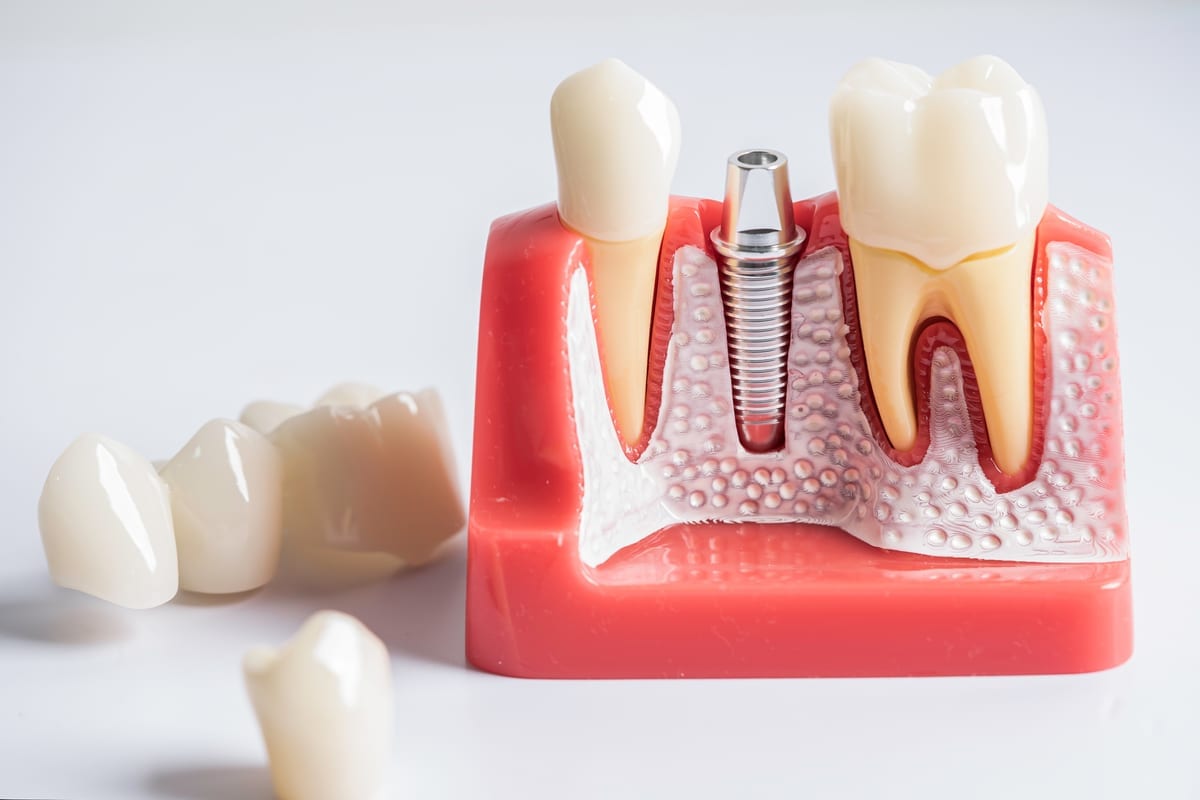
Dental implants, when properly placed and maintained, can last a lifetime. The implant itself — the titanium post — rarely fails once integrated. The crown on top may need replacement after 15 to 25 years. In terms of raw longevity, implants typically outperform bridges.
However, implants require sufficient bone volume and a surgical procedure. Not every patient is a candidate right away. Bridges remain a strong option for many patients, especially when bone loss or other factors make implants more complex.
If you are exploring tooth replacement in Smyrna and also have concerns about Cosmetic Dentistry Smyrna, a consultation with Dr. Smith can help you weigh the options specific to your anatomy and goals. There is no one-size-fits-all answer — only the right answer for your mouth.
What to Expect at a Bridge Evaluation at Smith Dental
Whether you are considering a new bridge or monitoring an existing one, knowing what to expect helps you feel prepared. Dr. Smith will review your dental and medical history. He will examine the surrounding teeth and gum tissue carefully.
Digital X-rays give a clear picture of bone levels beneath the bridge. If you feel anxious about dental visits, our team also offers Sedation Dentistry Smyrna to help you stay comfortable throughout the appointment. Your comfort is a priority — not an afterthought.
After the evaluation, Dr. Smith will walk you through your options in plain language. You will leave knowing exactly what your bridge looks like today and what steps will help it last longer.
Conclusion: Take Control of How Long Your Bridge Lasts
Dental bridges can last well over a decade — but only with the right habits and professional support. The lifespan of your bridge is not simply determined the day it is placed. It is shaped by every cleaning appointment you keep, every night guard you wear, and every warning sign you catch early. Smyrna patients who stay proactive with their care consistently get the best outcomes. If you have questions about your existing bridge or want to explore whether a bridge is right for you, our team at Smith Dental is ready to help. Book Now to schedule your appointment with our team.
Frequently Asked Questions
How long does a dental bridge last on average?
Most dental bridges last between 10 and 15 years with proper care. Some last longer, especially when patients maintain consistent hygiene habits and attend regular professional cleanings. Factors like teeth grinding, gum disease, and diet can shorten that range significantly.
Can a dental bridge last 20 years or more?
Yes, it is possible. Patients who maintain excellent oral hygiene, avoid hard and sticky foods, wear a night guard if recommended, and attend regular checkups give their bridges the best chance of lasting 20 or more years. This is not guaranteed, but it is achievable with commitment.
What is the most common reason dental bridges fail?
Decay in the abutment teeth — the natural teeth that support the bridge — is the leading cause of bridge failure. Bacteria that accumulate beneath the pontic and around the abutment teeth can cause decay that weakens the support structure. Proper daily cleaning under the bridge is essential to prevent this.
Is it painful when a dental bridge starts to fail?
Not always at first. Some bridges begin to loosen or develop decay without causing obvious pain. That is why routine dental exams are so important. By the time significant pain develops, the underlying problem may already be more advanced. Regular checkups catch issues early when they are easier to address.
Should I replace my bridge with a dental implant?
It depends on your specific situation, including bone levels, overall oral health, and personal goals. Implants generally offer greater long-term durability, but they are not the right choice for every patient. Dr. Robert L. Smith at Smith Dental in Smyrna, TN can evaluate your case and help you decide which option makes the most sense for your needs.