615-355-5822

If you are over 60 and living in Smyrna, TN, your smile has changed more than you may realize. Understanding why your teeth change after 60 — and what sedation dentistry solves — helps you make smarter decisions about your oral health. At Smith Dental, Dr. Robert L. Smith sees these changes every day. The good news is that most of them are manageable with the right care and the right approach.
How Aging Affects Your Oral Health After 60
Teeth naturally wear down over decades of chewing and grinding. Enamel becomes thinner and more vulnerable to cracks and staining. Gums may start to recede, exposing sensitive root surfaces. These changes are not signs of failure — they are a normal part of aging.
Many seniors in Smyrna take multiple medications daily. A common and often overlooked side effect is dry mouth. Saliva protects teeth by neutralizing acids and washing away bacteria. Without enough saliva, tooth decay and gum disease can progress much faster.
Root decay becomes especially common after 60. Exposed roots lack the hard enamel layer that covers the crown of the tooth. This makes them far more susceptible to cavities. Regular checkups with a Family Dentistry Smyrna provider become critical during this stage of life.
Common Dental Issues Seniors Face in Smyrna
Dr. Robert L. Smith frequently sees a specific set of concerns in patients over 60. Recognizing these early can prevent more serious problems later. Here are the most common issues seniors experience:
- Dry mouth caused by medications reducing saliva flow
- Gum recession exposing root surfaces to decay
- Root caries or cavities forming below the gumline
- Loose or ill-fitting dentures as the jaw bone changes shape
- Tooth sensitivity from enamel thinning and gum recession
- Increased risk of gum disease linked to systemic health conditions
Many of these issues develop slowly and without obvious pain at first. That is why routine dental visits are so valuable for seniors. Catching problems early protects both your oral health and your overall wellbeing.
Dentures and Dental Implants — Finding the Right Fit After 60
Tooth loss is more common after 60, but it is not inevitable. When teeth are lost, patients have two main replacement options: dentures or dental implants. Each has its own set of benefits depending on your health and lifestyle.
Dentures are removable and can replace multiple teeth at once. They are a practical solution for many seniors. However, the jawbone can continue to shrink after tooth loss, causing dentures to loosen over time. Regular adjustments help ensure a comfortable and functional fit.
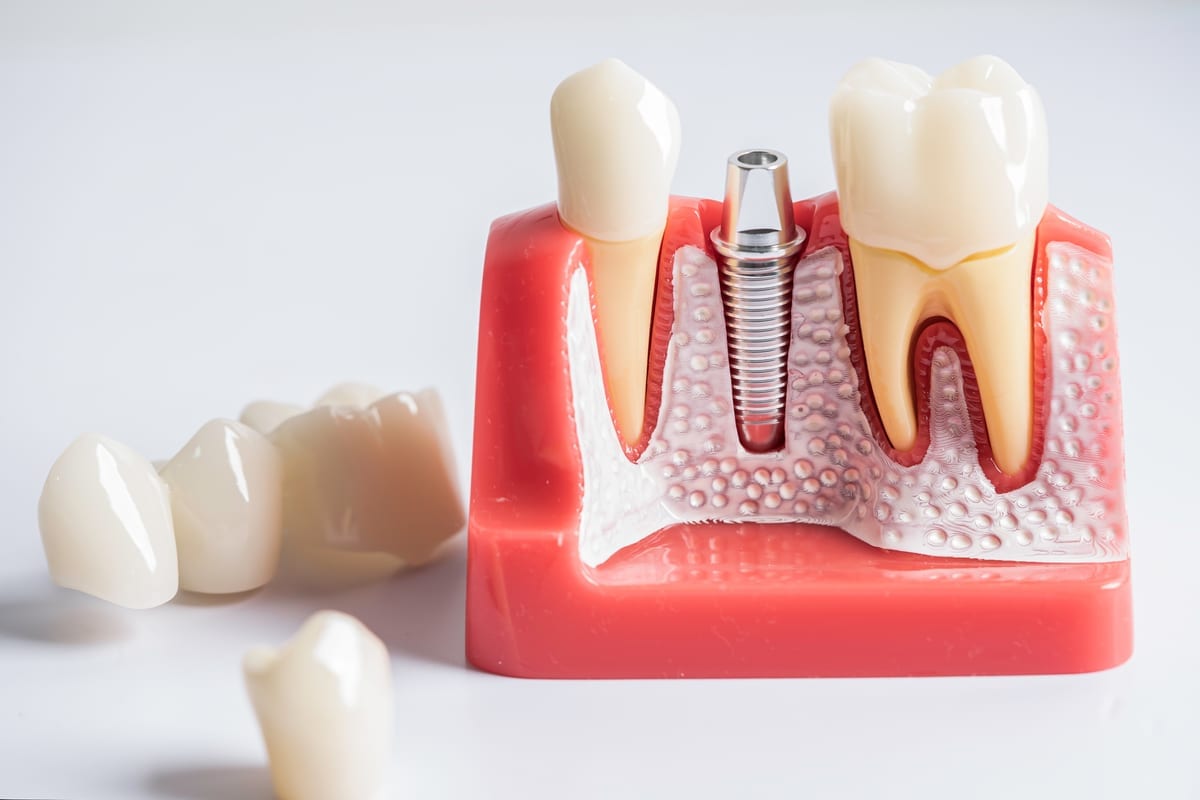
Dental implants offer a more permanent solution. They are anchored directly into the jawbone and function like natural teeth. Many seniors are excellent implant candidates, even after 60. Dr. Robert L. Smith evaluates each patient individually to determine the best path forward.
For patients who want to enhance the appearance of existing teeth, Cosmetic Dentistry Smyrna options like veneers and teeth whitening can make a meaningful difference. Looking and feeling good about your smile matters at every age.
Why Sedation Dentistry Solves So Much for Older Patients
Dental anxiety is incredibly common among seniors. Many older adults avoided the dentist for years due to fear or past negative experiences. Others find that physical discomfort — like difficulty sitting still or jaw pain — makes appointments harder. Sedation dentistry directly addresses these barriers.
At Smith Dental, sedation options help patients relax deeply during procedures. This means longer or more complex treatments can often be completed in fewer visits. Seniors with multiple dental needs benefit greatly from this approach. It removes the stress and physical strain that often keeps people away from care.
Here is what sedation dentistry can solve for patients over 60:
- Dental phobia or anxiety built up over many years
- Sensitivity to dental instruments due to receding gums
- Difficulty sitting in a dental chair for extended periods
- The need for multiple procedures completed efficiently
- Gag reflex issues that make exams uncomfortable
Sedation is safe for most healthy adults, including seniors. Dr. Robert L. Smith reviews each patient’s medical history and medications before recommending any sedation option. Your safety and comfort are always the top priority.
Tips for Protecting Your Teeth After 60
Prevention remains the most powerful tool in senior dental care. Small daily habits make a significant long-term difference. Here are practical steps Dr. Robert L. Smith recommends for patients over 60 in Smyrna:
Stay hydrated throughout the day to combat dry mouth. If medications are causing dryness, ask your doctor about saliva substitutes or mouth rinses. Use a soft-bristled toothbrush to protect sensitive gums. Fluoride toothpaste helps strengthen exposed root surfaces.
Visit Smith Dental at least twice a year for professional cleanings and exams. X-rays help detect decay and bone loss before they become visible problems. Early intervention is almost always simpler, less costly, and less stressful than treating advanced damage.
Conclusion — Smyrna Seniors Deserve Comfortable, Compassionate Dental Care
Your dental needs shift significantly after 60. Dry mouth, gum recession, root decay, and tooth loss all require experienced and empathetic attention. Understanding why your teeth change after 60 — and what sedation dentistry solves — puts you in control of your oral health journey in Smyrna. Dr. Robert L. Smith and the team at Smith Dental are here to guide you every step of the way with care that is gentle, thorough, and personalized. Book Now to schedule your appointment with our team.
Frequently Asked Questions
Why do teeth get more sensitive after age 60?
Gum recession exposes the root surfaces of teeth, which lack a protective enamel layer. These roots contain tiny tubules that connect to the nerve, making them highly sensitive to temperature and pressure. Regular dental visits help monitor recession and treat sensitivity before it worsens.
Can seniors get dental implants?
Yes, many seniors are excellent candidates for dental implants. Age alone does not disqualify someone from receiving implants. Dr. Robert L. Smith evaluates bone density, overall health, and individual circumstances to determine whether implants are a suitable option.
What causes dry mouth in older adults?
Dry mouth in seniors is most commonly caused by medications. Over 500 common medications list dry mouth as a side effect, including those for blood pressure, depression, and allergies. Staying well hydrated and using saliva-stimulating products can help manage this condition.
How does sedation dentistry help anxious senior patients?
Sedation dentistry uses safe, carefully monitored medications to help patients relax during dental procedures. It reduces anxiety, minimizes physical discomfort, and allows more treatment to be completed in a single visit. This approach is especially beneficial for seniors who have avoided dental care due to fear or past trauma.
How often should seniors visit the dentist?
Most dental professionals recommend at least two checkups and cleanings per year for seniors. However, patients with active gum disease, dry mouth, or a history of frequent cavities may benefit from more frequent visits. Dr. Robert L. Smith will create a personalized schedule based on your unique needs.