615-355-5822
You brush twice a day. You floss regularly. You do everything right. Yet your dentist still finds tartar at every visit. Many patients in Smyrna ask us the same question — why does tartar keep coming back? The truth is simple: once plaque hardens into tartar, no toothbrush on earth can remove it. That is exactly why your toothbrush can’t remove hardened tartar, but we can, right here in Smyrna. Understanding this difference can completely change how you think about your oral health.
What Is Tartar and Why Does It Harden?
Tartar starts as plaque — a soft, sticky film of bacteria that coats your teeth daily. Plaque is actually removable with a toothbrush and floss. The problem happens when plaque is not removed within 24 to 72 hours. It absorbs minerals from your saliva and hardens into a cement-like deposit called tartar, also known as calculus.
Once tartar forms, it bonds directly to your tooth enamel and below your gumline. Its rough surface makes it even easier for more plaque to stick. This creates a cycle that your toothbrush simply cannot break. No amount of brushing or flossing will chip away hardened tartar at that point.
Tartar can form on any tooth surface. It is especially common behind the lower front teeth and along the gumline. These are areas that are difficult to clean thoroughly even with excellent home care habits.
Why Your Toothbrush Can’t Remove Hardened Tartar in Smyrna — or Anywhere
Toothbrushes are designed to clean soft plaque from exposed tooth surfaces. Their bristles are simply not strong enough to break the mineral bond that holds tartar in place. Even electric toothbrushes, no matter how advanced, cannot remove calculus once it has hardened.
Over-the-counter products marketed as tartar removers do not actually remove existing deposits. They may slow new tartar formation, but they cannot dissolve what is already there. This is not a flaw in your brushing technique — it is a biological reality.
Tartar that sits below the gumline is particularly dangerous. It irritates gum tissue and creates pockets where bacteria thrive. This leads directly to gum disease, bone loss, and eventually tooth loss. Home care alone cannot address what is hiding beneath the surface.
What a Professional Cleaning Actually Removes
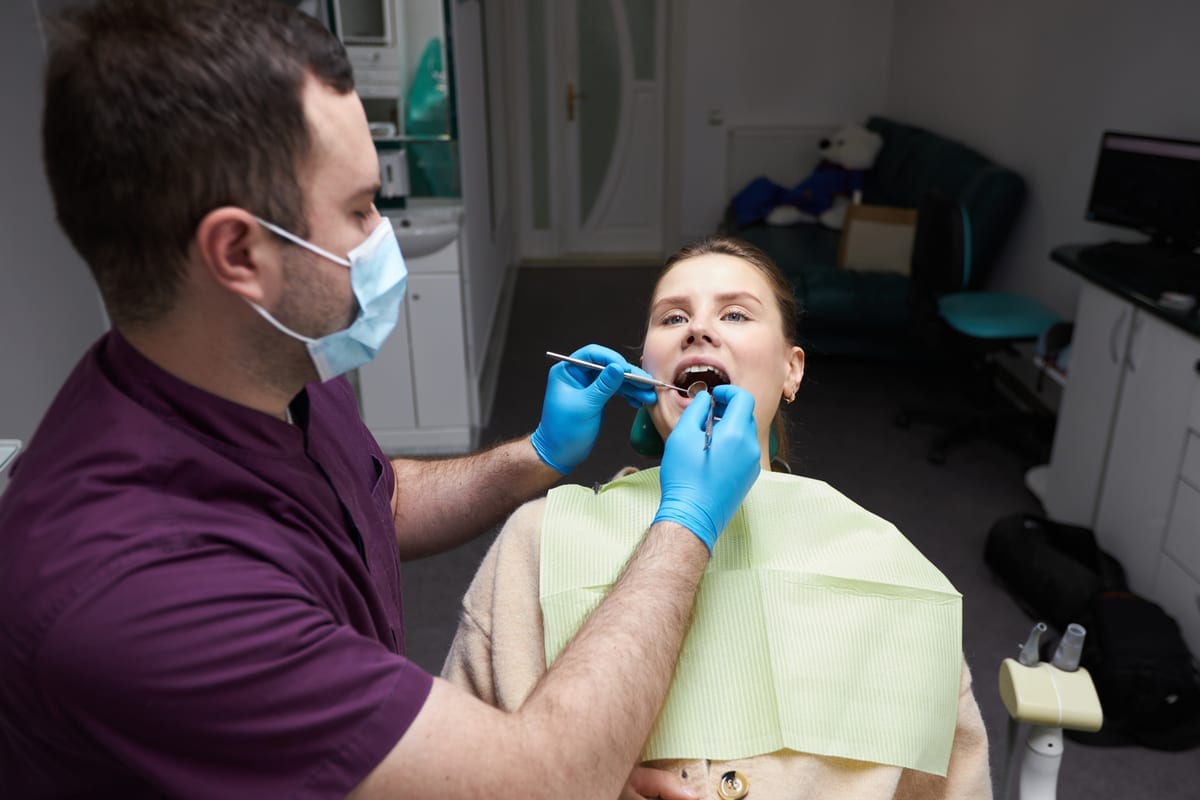
At Smith Dental in Smyrna, our professional cleanings go far beyond what any toothbrush can do. Our hygienists use specialized instruments called scalers and ultrasonic devices. These tools are specifically designed to break apart and remove hardened tartar from all tooth surfaces.
Here is what a professional cleaning addresses that home care cannot:
- Hardened tartar deposits above the gumline
- Calculus buildup below the gumline in periodontal pockets
- Surface stains from coffee, tea, and food
- Bacterial buildup in areas your toothbrush cannot reach
- Early signs of gum inflammation that need immediate attention
After scaling, your hygienist polishes your teeth with a professional-grade paste. This smooths your enamel and makes it harder for new plaque to stick quickly. The result is a level of cleanliness you simply cannot achieve at home.
Dr. Robert L. Smith also performs a thorough exam during your visit. He checks for cavities, gum disease, and other concerns that develop silently between appointments.
The Health Consequences of Skipping Professional Cleanings
Tartar buildup is not just a cosmetic issue. It is a direct threat to your overall oral health. Left untreated, tartar leads to gingivitis — the earliest stage of gum disease. Symptoms include red, swollen, or bleeding gums.
Without professional removal, gingivitis progresses to periodontitis. This is a serious infection that damages the bone and tissue supporting your teeth. Periodontitis is one of the leading causes of adult tooth loss in the United States. It is also linked to systemic health concerns including heart disease and diabetes.
Patients who skip regular cleanings often face more complex and costly treatments down the road. Those treatments can include deep cleanings, gum therapy, or even tooth replacement options like Cosmetic Dentistry procedures to restore smile aesthetics after damage.
Regular cleanings every six months are the most effective way to interrupt this cycle. They keep tartar from accumulating to dangerous levels between visits.
What to Expect During Your Cleaning at Smith Dental
Many patients feel nervous about professional cleanings, especially if it has been a while since their last visit. At Smith Dental, we prioritize your comfort throughout every appointment. Our team takes time to explain each step before we begin.
Here is a simple overview of what happens during your visit:
- Your hygienist reviews your health history and checks for changes since your last visit.
- We take any necessary X-rays to check for hidden issues between teeth and below the gumline.
- Scaling removes all tartar deposits using hand instruments and ultrasonic tools.
- Polishing smooths enamel surfaces and removes surface stains.
- Dr. Smith performs a comprehensive exam and discusses any findings with you.
For patients with significant anxiety, we also offer Sedation Dentistry to help you stay relaxed and comfortable throughout the process. There is no reason to avoid the care your smile needs.
Most standard cleanings take about 45 to 60 minutes. Deep cleanings for patients with advanced tartar buildup may require additional time or a separate appointment.
How to Slow Tartar Buildup Between Visits
While you cannot remove hardened tartar at home, you can absolutely slow how quickly it forms. Good daily habits make a real difference in how much tartar develops between professional cleanings.
- Brush for two full minutes twice each day using a fluoride toothpaste
- Floss every day to remove plaque from between teeth where brushes cannot reach
- Use an antiseptic mouthwash to reduce bacterial load in your mouth
- Drink plenty of water throughout the day, especially after meals
- Limit sugary and starchy foods that feed plaque-forming bacteria
These habits will not replace professional cleanings. But they will help you arrive at each appointment with less buildup and a healthier baseline. That means your hygienist spends less time on heavy deposits and more time on preventive care.
Schedule Your Professional Cleaning in Smyrna Today
Your toothbrush is a powerful tool, but it has real limits. Once tartar hardens, only a dental professional can safely and effectively remove it. At Smith Dental, Dr. Robert L. Smith and our caring team are here to give your smile the thorough care it deserves. We proudly serve patients throughout Smyrna and the surrounding communities. Do not let tartar buildup quietly threaten your oral health. Book Now to schedule your appointment with our team.
Frequently Asked Questions
How often should I get a professional teeth cleaning?
Most patients benefit from a professional cleaning every six months. However, patients with gum disease or heavy tartar buildup may need more frequent visits. Dr. Robert L. Smith will recommend a schedule based on your individual oral health needs.
Can tartar cause bad breath?
Yes. Tartar harbors bacteria that produce sulfur compounds, which cause persistent bad breath. Professional removal of tartar is one of the most effective ways to address chronic bad breath that does not improve with brushing alone.
Does tartar removal hurt?
Most patients experience little to no discomfort during a standard cleaning. Patients with sensitive gums or significant buildup may feel some pressure or mild sensitivity. Our team works carefully to keep you comfortable, and we offer sedation options for patients with dental anxiety.
What is the difference between a regular cleaning and a deep cleaning?
A regular cleaning removes tartar from above the gumline and just below it. A deep cleaning, called scaling and root planing, targets tartar deposits that have built up deep within periodontal pockets below the gumline. Dr. Smith will recommend the appropriate treatment based on your exam findings.
Can children get tartar buildup too?
Yes, tartar can form on children’s teeth just as it does on adult teeth. Children who do not brush and floss thoroughly are at risk for tartar buildup and gum irritation. Regular professional cleanings are important for patients of all ages to maintain healthy smiles.