615-355-5822
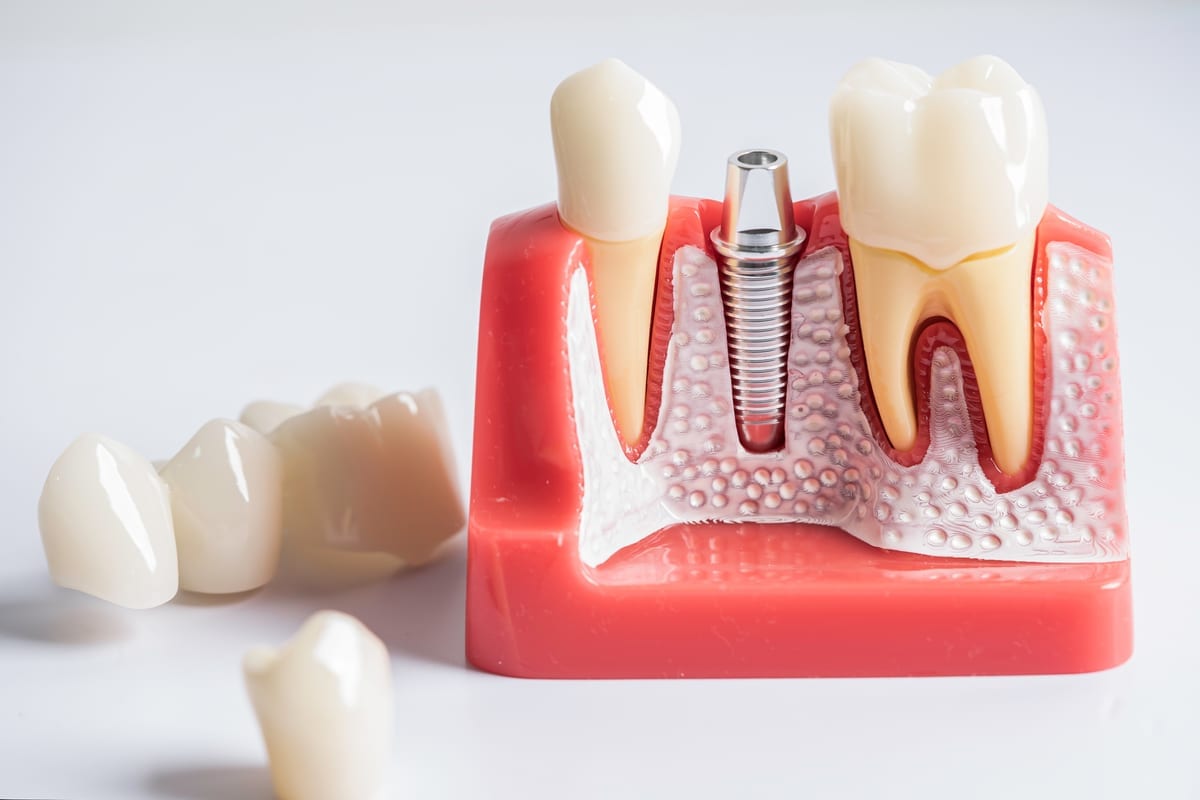
Your shifting teeth are signaling bone loss—here’s why La Vergne residents need to act now. Many people assume shifting teeth are a cosmetic annoyance. In reality, they are a serious warning sign. Your jawbone may already be deteriorating beneath the surface.
At Smith Dental, Dr. Robert L. Smith sees this pattern regularly. Patients come in thinking their bite has simply changed. What they discover is that tooth loss has triggered a chain reaction. Bone loss, shifting, and chewing problems are all connected.
If you have missing teeth or loose teeth, this article is for you. Understanding these warning signs can protect your oral health. It can also help you avoid more complex—and costly—treatment down the road.
Why Shifting Teeth Are a Red Flag in La Vergne
When a tooth is lost, the jawbone beneath it loses stimulation. Bone naturally shrinks when it no longer supports a tooth root. This process is called bone resorption, and it begins quickly—within weeks of tooth loss.
As the bone shrinks, neighboring teeth lose their support structure. They begin to drift, tilt, or shift out of alignment. This is not a slow, harmless process. It accelerates the more bone you lose.
Patients in La Vergne often notice their teeth feel different when biting. Gaps appear where none existed before. Teeth that were once straight now seem crowded or angled. These are not random changes—they are your mouth telling you something is wrong.
Common early warning signs of bone loss include:
- Teeth that feel loose or wobbly
- Visible gaps forming between teeth
- A change in how your upper and lower teeth meet
- Dentures or partial dentures that no longer fit properly
- A sunken appearance around the jaw or cheeks
These signs point to one thing: the underlying bone is changing. The longer you wait, the less bone remains to support treatment options like dental implants.
Difficulty Chewing Is More Serious Than You Think
Chewing difficulty is one of the most overlooked warning signs of bone loss. Many patients adjust their diet without realizing why. They avoid hard foods, switch to softer options, and simply accept the limitation.
This compensation strategy is dangerous. Your body needs a varied, nutritious diet. Avoiding hard foods can lead to poor nutrition over time. It also places uneven pressure on remaining teeth, accelerating their wear.
Chewing problems also indicate that your bite alignment has shifted. When teeth drift, the force of chewing distributes unevenly. This can cause jaw pain, headaches, and even cracked teeth. These are signs that structural damage is already underway.
Dr. Robert L. Smith encourages La Vergne patients not to normalize difficulty chewing. It is not simply part of aging. It is a clinical signal that your teeth and bone need professional evaluation—soon.
You May Have Already Waited Too Long—Here’s What That Means
There is a critical window for dental implant placement. Implants require sufficient bone density to fuse properly with the jaw. Once bone loss reaches a certain level, implants become more complicated to place.
Patients who wait often need bone grafting before implants can be placed. This adds time and complexity to the treatment process. It is not impossible to treat—but acting earlier is always better. Preserving bone is far easier than rebuilding it.
Here is what happens when treatment is delayed too long:
- Bone volume decreases, requiring grafting procedures
- Adjacent teeth continue to shift and may need extraction
- Gum disease risk increases around weakened bone areas
- Facial structure changes, causing a prematurely aged appearance
- Treatment options become fewer and more involved
At Smith Dental, we believe in giving patients full, honest information. If you are experiencing these warning signs in La Vergne, a consultation now could save significant time. It could also preserve the bone you still have.
What Dr. Robert L. Smith Can Do for You Now
Smith Dental offers a full range of solutions for patients dealing with bone loss and shifting teeth. Dr. Robert L. Smith evaluates each patient individually. No two cases are exactly alike, and treatment is tailored accordingly.
For patients anxious about dental visits, we also offer Sedation Dentistry La Vergne to make the experience as comfortable as possible. Fear should never be a reason to delay critical care. Comfort options are available and can make a meaningful difference.
Our practice also specializes in Cosmetic Dentistry La Vergne to restore both function and appearance. Bone loss and tooth loss affect how you look and feel. Restoring your smile has real impact on your confidence and quality of life.
Services that may be part of your treatment plan include:
- Dental implants to replace missing tooth roots and stimulate bone
- Dental crowns to protect and restore damaged or shifting teeth
- Dentures or implant-supported dentures for more advanced cases
- Orthodontic assessment to address bite changes from shifting
- Routine teeth cleaning to maintain gum health around remaining teeth
Dr. Smith will walk you through every option clearly. You will understand what is happening in your mouth and what the best path forward looks like. There are no surprises at Smith Dental.
Take Action Before the Window Closes
Bone loss is not a condition that pauses while you decide what to do. It continues progressing with every passing month. The sooner you get evaluated, the more options remain available to you.
La Vergne residents have access to experienced, compassionate care right here at Smith Dental. Dr. Robert L. Smith has helped countless patients stop the cycle of bone loss and tooth shifting. You do not have to accept a deteriorating smile as inevitable.
If your teeth have shifted, if chewing has become difficult, or if you have already lost one or more teeth—now is the time. These are not small cosmetic concerns. They are signals from your body that your jawbone needs support.
Do not wait until the warning signs become an emergency. Early action protects your bone, your teeth, and your overall health. Book Now to schedule your appointment with our team.
Frequently Asked Questions
How quickly does bone loss begin after losing a tooth?
Bone loss can begin within weeks of losing a tooth. In the first year, you may lose up to 25% of bone width in the affected area. This is why prompt evaluation and treatment are so important after any tooth loss.
Can shifting teeth be reversed without implants?
In some early cases, orthodontic treatment can correct minor shifting. However, if the root cause is bone loss from missing teeth, the underlying problem must be addressed. Implants are often the most effective long-term solution because they restore the bone stimulation that a natural tooth root provides.
Is bone grafting always required before dental implants?
Not always. Whether you need a bone graft depends on how much bone density and volume remains at the implant site. Patients who act early often have enough bone to proceed directly with implants. Those who wait longer are more likely to need grafting first.
What does a sunken jaw appearance indicate?
A sunken or hollowed appearance around the jaw or cheeks is a visible sign of significant bone loss. It occurs when the jawbone has resorbed enough to change the shape of the face. This is one of the more advanced signs that bone support has been lost over time.
How do I know if my shifting teeth are caused by bone loss or something else?
Only a dental examination can confirm the cause. Dr. Robert L. Smith uses X-rays and a thorough clinical evaluation to assess bone levels and tooth stability. If you are noticing shifting, looseness, or bite changes, scheduling a consultation at Smith Dental in La Vergne is the right first step.