615-355-5822
Are you missing a tooth or multiple teeth? Well, dental implants will help solve this problem once and for all. However, not every person is suitable for this procedure. One of the leading factors that help determine whether or not an implant procedure would be suitable for you is the state of health of your jawbone, as well as other bones in the face that support endosseous implants. This blog will help readers understand why this would be an imperative factor during the process.
Your jawbone is the foundation for your teeth, and implants find a critical place there. When you lose a tooth, the surrounding bone that held the root continues to disintegrate over time. This is called bone resorption, a condition that can present a problem if you wish to get an implant. Fortunately, there are various ways to help you evaluate whether you are a suitable implant patient based on the condition of your jawbone.
The Importance of Jawbone Health
If a tooth is lost, a corresponding reduction in the volume of the jaw will occur since the bone was stimulated by the presence of the root of the missing tooth. A loss of volume can make it difficult to integrate an endosseous implant into the jaw. Any artificial device must undergo osseointegration, in which a bone is fused to the device; a condition required for the device to function normally.
However, for successful osseointegration, the jawbone not only needs considerable thickness but also sufficient density to accommodate the implant. Due to bone degradation, there may not be sufficient bone to anchor the implant appropriately, hence possible failures. A healthy jawbone is a major factor in determining whether a patient qualifies for dental implants in Smyrna, TN.
Dental Implants Process: What to Expect
The process for a dental implant is comprehensive and involves several phases. For a better understanding, let’s have a brief look at what to expect during the journey towards a new smile.
- Consultation & Examination: The first step is a consultation, during which your dentist will examine your dental condition and bone health status. Also, X-rays or a CT scan can be done to determine if a bone graft is necessary before the implant procedure.
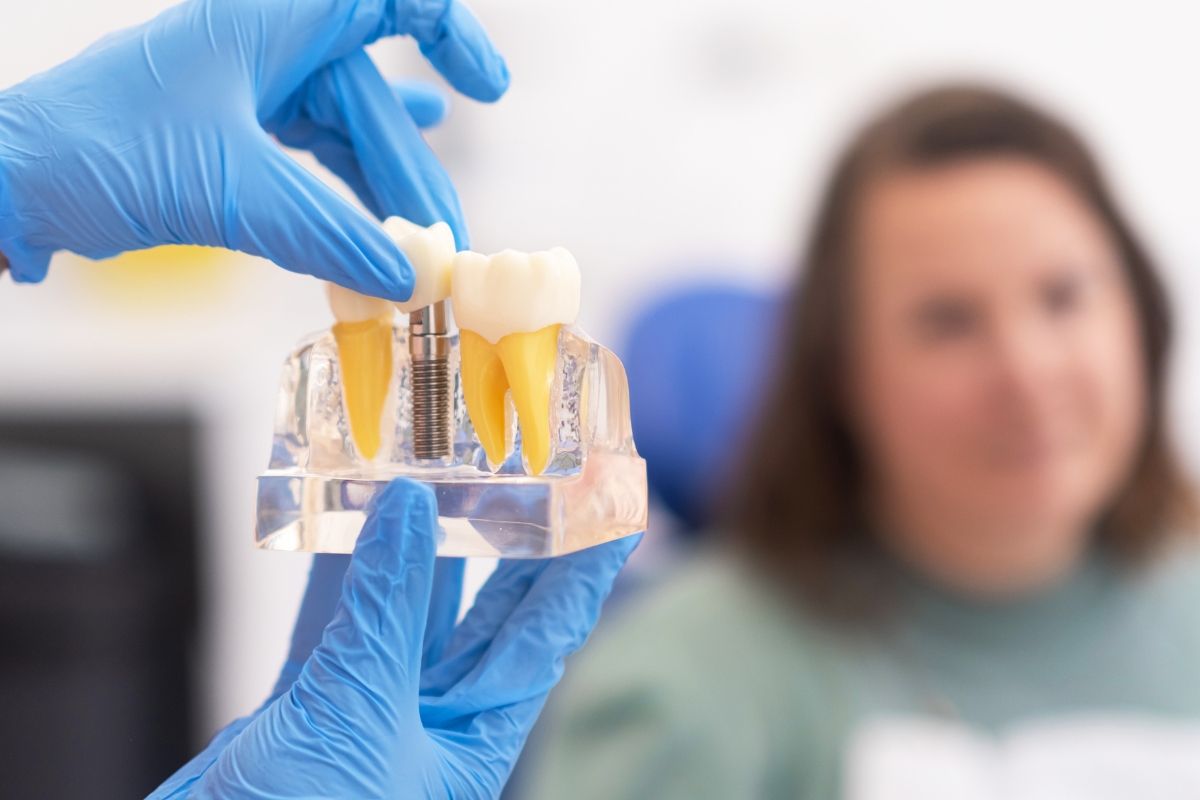
- Implant Placement Surgery: During this stage, a surgical operation is done by inserting a titanium post (implant) into your jawbone. This is done while you are comfortable, using a local anesthetic. The post acts as a tooth root for the new tooth.
- Healing & Osseointegration: The implant will take some time to osseointegrate into the bone tissue in the region. Osseointegration is the natural biological process through which an implant fuses into the bone tissue in its region.
- Abutment Placement: After osseointegration is complete, an abutment is placed on the implant. The abutment is necessary to link an implant to a final restoration.
- Final Restoration: The last step involves using a specially fabricated denture, bridge, or crown that sits on top of the abutment. This is a full and natural-looking smile.
Are You a Good Candidate for Implants?
Implants are a long-term solution for people with missing teeth, though they are not for everyone. There are several factors that can limit the potential for dental fixtures to work well for you. The following is a quick guide to help you prepare for endosseous implants to replace missing teeth.
- Healthy Gums: Healthy, strong gum tissues are necessary for successful implant integration, as gum disease undermines the mouth’s structural integrity, hindering healing.
- Adequate Jawbone Density: A sufficiently healthy bone tissue should always be present to support implants. Before you can have implants, you might need a bone graft if your bone tissue has been weakened by missing teeth or other health issues.
- Overall Health: Good health is essential. Chronic health problems, like untreated diabetes and compromised immunity, can affect the course of your oral surgery. Your dentist will review your medical history to determine that you are in good health.
- Non-Smokers Have Better Success Rates: It can interfere with the process of healing and even lead to failure of the implants. It is recommended that smokers stop their habit before they get the implants.
- Commitment to Oral Care: For example, for the implants to succeed, good dental health is essential. One has to promise themselves to practice good hygiene, such as brushing and regularly visiting a dentist.
Can Bone Loss be Reversed?
If your jawbone has undergone substantial recession, several alternatives are available to resolve the issue. The most common treatment for the condition is bone grafting. This process is performed by introducing artificial bone material or accepting tissue from other parts of the jaw to the receding jawbone area. Consequently, the two will bond to form an ideal platform for installing the teeth.
Another option is the sinus lift, which can benefit individuals with bone loss in the upper jaw. In the sinus lift procedure, bone materials are used to supplement the bone structure in the sinus area of the jawbone. This will significantly help you rebuild your jawbone base, allowing you to once again consider endosseous implant procedures.
Ready to Restore Your Smile with Dental Implants?
If you are considering dental fixtures, your first step would be to schedule a consultation with us at Smith Dental. We will evaluate your dental health, bone condition, and appropriateness during your first visit if you decide to have your implants done with us. Whether you’re in Smyrna or nearby, we’re here to help you every step of the way!
Dental implants can be a life-changing option for you if you are missing teeth. Not only will it greatly benefit your smile, but it will also improve your quality of life. Ready to learn the details of the procedure and whether or not it’s suitable for you? Contact us today at Smith Dental to schedule an appointment and get you started on the journey to a healthy, beautiful smile!
Questions People Ask About Implants
1. What are dental implants?
Dental implants are titanium posts surgically placed into your jawbone to replace missing tooth roots. They provide a stable foundation for crowns, bridges, or dentures, offering a long-lasting solution that restores both function and appearance.
2. How long do dental implants last?
Dental implants are designed to be permanent and can last a lifetime with proper care. Regular oral hygiene, routine check-ups, and avoiding harmful habits like smoking can help maximize the longevity of your implants.
3. Is the dental implant procedure painful?
The dental implant procedure is generally not painful, as it is performed under local anesthesia. After the procedure, you may experience mild discomfort, which can usually be managed with over-the-counter pain relievers and proper post-operative care.
4. How long does the dental implant process take?
The dental implant process typically takes several months, as it involves multiple stages, including healing and osseointegration. The timeline varies depending on individual needs, such as whether bone grafting is required before implant placement.
5. Am I a candidate for dental implants?
Ideal candidates for dental implants have healthy gums and enough bone to support the implant. A consultation with your dentist will assess your overall health and jawbone condition to determine if implants are the right option for you.