615-355-5822
If you’ve been researching dental implants vs. dentures and which choice actually lasts longer in La Vergne, you’re not alone. Many patients face this exact decision every year. Both options replace missing teeth, but they work very differently. Understanding those differences can help you choose what’s right for your life.
Dr. Robert L. Smith and the team at Smith Dental work with patients across the La Vergne and Smyrna area. We help people weigh their options honestly and clearly. This article breaks down what each solution offers — and where each one falls short.
How Dental Implants and Dentures Work Differently
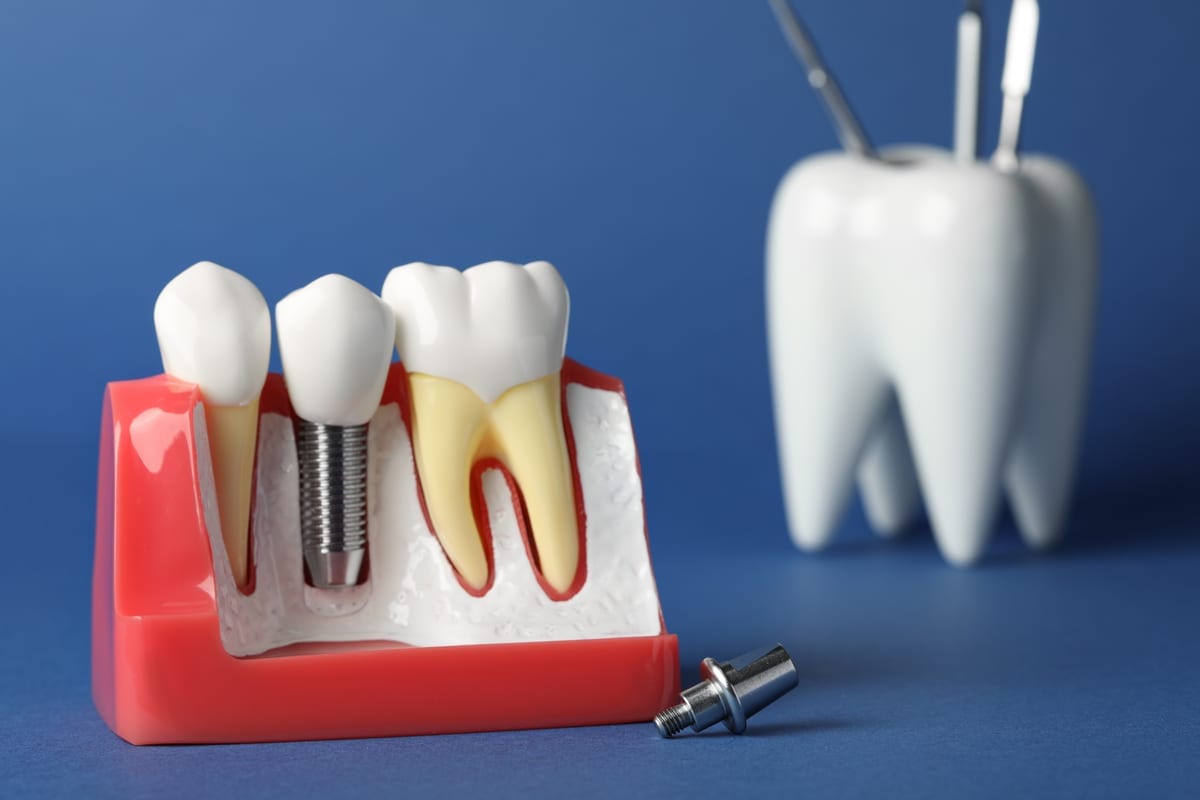
Dental implants are titanium posts surgically placed into your jawbone. They act as artificial tooth roots and support a crown on top. Over time, they fuse with the bone through a process called osseointegration. This makes them feel and function like natural teeth.
Dentures, on the other hand, are removable appliances. They rest on the gum line and rely on suction or adhesives to stay in place. Full dentures replace an entire arch of teeth. Partial dentures fill in gaps when some natural teeth remain.
Both options restore your ability to chew and speak. But their long-term performance and daily maintenance differ significantly. Knowing how each one works helps you set realistic expectations.
Dental Implants vs. Dentures: Which Choice Actually Lasts Longer in La Vergne?
This is the question most patients ask first — and for good reason. Longevity directly affects value and convenience. Let’s look at what the research and clinical experience show.
Dental implants can last 20 to 30 years or even a lifetime with proper care. The crown on top may need replacement after 10 to 15 years. However, the implant post itself rarely requires removal when maintained well. Implant Dentistry has a strong track record of long-term success across diverse patients.
Dentures typically last 5 to 10 years before needing replacement. Your gum tissue and jawbone naturally change shape over time. This causes dentures to become loose or ill-fitting. Relining or replacing them becomes necessary as your mouth changes.
Here’s a quick comparison of longevity factors for both options:
- Dental implants: 20–30+ year lifespan with proper hygiene
- Dentures: 5–10 years before replacement or relining is needed
- Implants preserve jawbone and prevent bone loss over time
- Dentures can accelerate bone resorption in the jaw
- Implant crowns may need replacement, but the post remains stable
- Denture fit changes as facial structure shifts with age
When you factor in long-term replacements and adjustments, implants often prove more cost-effective over time. La Vergne patients who choose implants frequently report greater satisfaction after five or more years.
Which Option Is Right for Your Situation?
Every patient’s mouth and lifestyle are unique. What works well for one person may not suit another. Several factors influence which option makes the most sense for you.
Bone density matters most for implants. If you’ve had missing teeth for a while, bone loss may have already occurred. A bone graft procedure can sometimes address this. Dr. Smith evaluates bone health during your consultation to determine eligibility.
Overall health plays a role too. Certain conditions like uncontrolled diabetes can affect healing after implant surgery. Patients in good general health tend to be better candidates. A thorough health history review helps identify any concerns early.
Budget and timeline are also real considerations. Dentures have a shorter treatment timeline and lower upfront investment. Implants require surgery and a healing period that can span several months. Both have value — the right choice depends on your personal circumstances.
Consider these questions when deciding:
- How many teeth are you replacing — one, several, or a full arch?
- Are you comfortable with a surgical procedure and recovery period?
- Do you prefer a fixed solution or a removable appliance?
- How important is long-term bone health to you?
- Are you willing to commit to a longer treatment timeline for a permanent result?
What About Dental Bridges — a Third Option Worth Knowing
Bridges are another common tooth replacement choice. They fill a gap by anchoring a false tooth to the natural teeth on either side. This avoids surgery entirely, which appeals to some patients.
However, bridges require grinding down healthy neighboring teeth. This creates permanent changes to those teeth. Bridges also don’t address bone loss beneath the gap the way implants do.
Bridges typically last 10 to 15 years with good care. They fall between dentures and implants in terms of longevity. For patients missing just one tooth with strong adjacent teeth, a bridge may be a practical middle ground.
If your treatment plan involves alignment concerns alongside tooth loss, Orthodontics may also be part of the broader conversation. Proper alignment supports the success of any restorative work.
Caring for Each Option Over Time
Maintenance habits directly affect how long any tooth replacement lasts. Good daily care extends the life of implants, dentures, and bridges alike.
For implants: Brush twice daily and floss around the implant post. Use non-abrasive toothpaste to avoid scratching the crown. Schedule regular professional cleanings at Smith Dental. Implants require no special removal or soaking routines.
For dentures: Remove them nightly and soak in a denture cleansing solution. Brush them gently to remove food and plaque. Keep your gums clean even when the dentures are out. Bring them in regularly so we can check the fit and condition.
Both options benefit from consistent dental visits. Catching small issues early prevents bigger problems later. Dr. Smith and the team are here to support whichever path you choose.
Making Your Decision with Confidence
Choosing between dental implants and dentures is a personal decision. There is no single right answer for every La Vergne patient. The best choice depends on your oral health, lifestyle, and long-term goals.
Dr. Robert L. Smith takes time to walk every patient through their options without pressure. We provide honest guidance based on your specific clinical picture. Our goal is to help you make an informed decision you’ll feel confident about for years to come.
If you’re ready to explore your tooth replacement options with a trusted La Vergne-area provider, we’re here to help. Book Now to schedule your appointment with our team.
Frequently Asked Questions
How long do dental implants last compared to dentures?
Dental implants can last 20 to 30 years or longer with proper care. The implant post itself rarely needs replacement. Dentures typically last 5 to 10 years before they need to be relined or replaced due to changes in your jaw and gum tissue.
Are dental implants a better investment than dentures long-term?
For many patients, yes. While implants have a higher upfront cost, they rarely need full replacement and help preserve jawbone health. Dentures require more frequent replacement and adjustments, which adds up over time. Your personal health situation ultimately determines the best value for you.
Can I get dental implants if I’ve worn dentures for years?
Possibly, but long-term denture use can lead to significant bone loss. Dr. Smith would evaluate your bone density through imaging to determine eligibility. A bone grafting procedure may be recommended to rebuild enough bone to support an implant successfully.
What is the recovery time for dental implants versus dentures?
Dentures can be fitted relatively quickly — sometimes within a few weeks. Dental implants involve a surgical procedure followed by a healing period of three to six months for osseointegration. Patients who prioritize a permanent result are generally willing to commit to that longer timeline.
Do dental implants feel more natural than dentures?
Most patients report that dental implants feel much closer to natural teeth. They are fixed in place and don’t shift when eating or speaking. Dentures can feel less secure and may require adhesives to stay comfortable, especially as the fit changes over time.