
615-355-5822
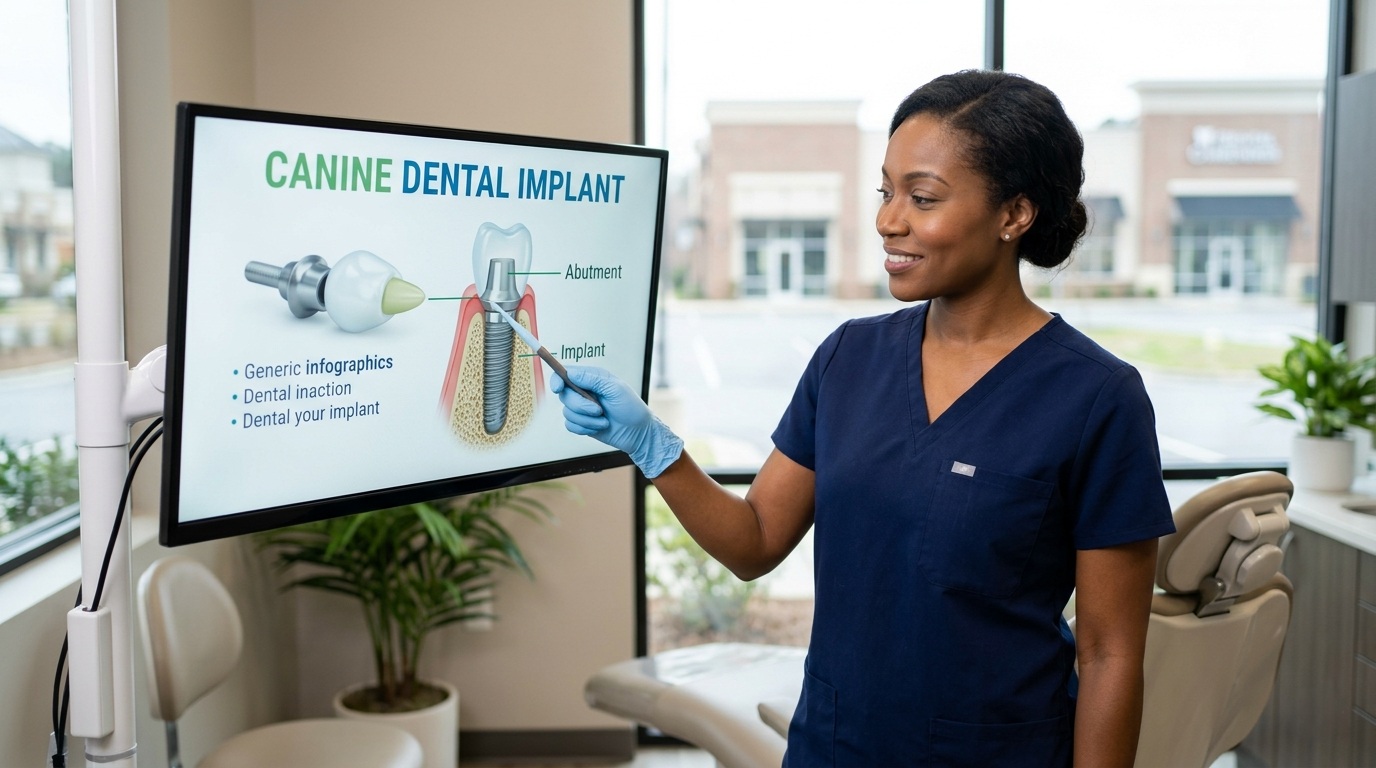
The loss of a canine tooth can affect your esthetics and dental function, leaving you unable to smile or chew comfortably. Canine teeth are critical to the symmetry of your smile and the function of your bite, so when they are lost, it may feel like something is missing in more ways than one. Canines are important for the aesthetic and functional aspects of a smile, so they will be replaced if lost due to injury, decay, or other causes.
Dental implants are among the most dependable and long-lasting options for missing canine teeth. Implants, in addition to restoring the natural aesthetic of your teeth, furnish a solid, much more durable foundation that functions if you like your natural tooth roots. Every tooth can have either a functional or an aesthetic ladder without worrying about gaps or discomfort from dental fixtures.
Understanding Dental Implants
Dental implants offer a long-lasting fix for missing teeth. Unlike traditional dentures or bridges, which rest on the gums, implants are surgically inserted into the jawbone to replace the root of a missing tooth. This process is crucial for the implant to remain healthy and well-rooted, thereby retaining its role as a solid foundation for the new tooth.
Endosseous implants for lost canine teeth fuse with the bone in your jaw, helping maintain bone density and preventing facial sagging after tooth loss, a common phenomenon. The implant eventually integrates with the bone through a process called osseointegration, creating a solid foundation for the prosthetic tooth.
A canine tooth replacement would involve placing an implant to replace the missing tooth root, allowing time for the site to heal, and then placing a custom-made crown that looks and functions like the surrounding teeth. The end result is a tooth that resembles, functions, and feels like your own natural canine tooth.
Why Choose Dental Implants for Canine Tooth Replacement?
People in Smyrna seeking a reliable, long-term solution for lost canine teeth have an excellent option: dental implants. There are many reasons that make dental implants in Smyrna the first choice:
- Long-term Solution: Implants represent a long-lasting solution that doesn’t need to be removed or replaced over time. Once in, the implant can last for many years, even a lifetime, with proper care.
- Natural Appearance: The color and shape of implants are designed to match that of your natural teeth. Our custom-made crowns fit so perfectly, they’re virtually indistinguishable from your natural teeth.
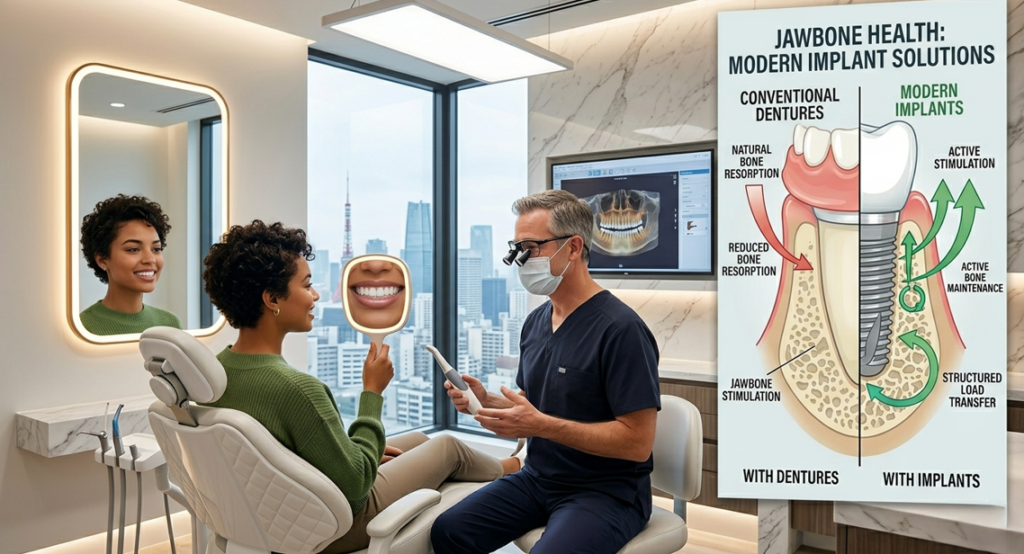
- Enhanced Functionality: Dentures can slip or shift during eating and speaking; endosseous implants are securely anchored in the jawbone and provide far superior functionality. This means you could eat your favorite foods without worrying about your teeth moving.
- Jawbone Health Conservation: A bone in the area can decline over time if a tooth is lost. In addition to cosmetic benefits, implants preserve jawbone health over time by stimulating bone growth and preventing further bone loss in people who have lost canine teeth.
- Improved Confidence: A lost dog tooth can cause a dent in your self-esteem, particularly when smiling. Dental implants allow you to feel confident in your appearance; your smile will look complete and natural.
What to Expect During the Dental Implant Process
Replacing a missing canine tooth with a dental implant is typically done in multiple steps, usually by an implant dentist. Although each patient’s case is different, this process typically includes the following steps:
- Consultation and Assessment: Your implant dentist at Smith Dental in Smyrna will begin with a consultation and assessment. At this appointment, your dentist will assess the condition of your gums and jawbone, go over your medical history, and decide whether you’re a candidate for endosseous implants. Imaging (including X-rays or 3D scans) is often utilized to evaluate the bone structure.
- Placement of the Dental Implant: If you qualify for dental implants, the next stage is the surgical placement of the implant. Your implant dentist will then place the titanium implant in your jawbone during this procedure. Doctors perform the surgery under local anesthesia, so you remain comfortable throughout.
- Osseointegration: Following implant placement, a healing period of several months is required to allow osseointegration. This is the process by which the implant becomes integrated with the bone. This step is what determines the long-term success of this implant.
- Attachment of the Crown: After healing, a customized crown is placed over the implant. The crown will be shaped and colored to match the rest of your teeth so that it fits perfectly, creating a natural-looking replacement for your lost canine.
- Post-Operative Care and Follow-up: Your implant dentist will schedule post-operative visits to monitor healing and ensure everything is progressing as expected. The key to keeping your implants and adjacent teeth healthy is routine dental appointments.
Caring for Your Dental Implants
Dental implant care is akin to natural tooth care. Routine brushing and flossing are vital to maintain the health of both the implant and the surrounding gums. You should also see your dentist for regular cleanings and check-ups to help maintain your oral health for as long as possible. Dental implants for missing teeth can last a lifetime, provided proper care is taken.
Although endosseous implants are quite durable, there are plenty of habits to avoid that can damage your implants, including chewing on hard objects and grinding your teeth. If you often grind your teeth at night, your dentist may suggest wearing a nightguard.
Replace Your Smile with Dental Implants
Dental implants may offer the best solution if canine tooth loss affects your smile and confidence. We encourage you and your implant dentist at Smith Dental in Smyrna to explore the options that best suit your needs. Not only do these endosseous implants for missing teeth offer an aesthetic boost to your smile, but they also restore function, making them a great investment in oral health.
For more information about canine tooth replacement with dental implants, call us at Smith Dental to schedule a consultation. We look forward to working with you to provide excellent oral health care for a lifetime.
Questions People Ask About Dental Implants
1. What are dental implants for missing teeth?
Dental implants are titanium posts placed in the jawbone to replace missing teeth. They provide a stable base for crowns, bridges, or dentures and mimic the function of natural tooth roots.
2. Are dental implants painful?
The dental implant procedure is generally well-tolerated, with most patients reporting minimal discomfort. Local anesthesia is used to numb the area, and over-the-counter pain relievers can manage any post-procedure soreness.
3. How long does it take to heal after getting a dental implant?
The healing time for dental implants typically takes several months, allowing the implant to fuse with the jawbone. This period is crucial for the success of the implant.
4. Can dental implants replace a missing canine tooth?
Yes, dental implants are an excellent option for replacing missing canine teeth. They restore both the function and appearance of your smile, providing a long-lasting and natural-looking solution.
5. How do I care for my dental implant?
Caring for your dental implant involves brushing and flossing regularly, just like natural teeth. Regular dental check-ups are essential to ensure the health of your implants and surrounding teeth.
6. Are dental implants better than dentures?
Dental implants offer a more permanent and secure solution compared to dentures. Unlike dentures, which can slip or shift, implants are anchored into the jaw, providing better stability and functionality.
